Blog Post: EOTO REAX 2

EOTO #2 Reaction: Who Controls the Narrative?

During our recent EOTO presentations, three topics stood out to me the most: gatekeeping and agenda setting, whistleblowing, and alternative media and citizen journalism. Each one challenged the way I think about the media; how it's structured, who’s behind it, and how much control everyday people actually have in shaping what we see and hear.

Gatekeeping & Agenda Setting: Who’s Choosing What We Pay Attention To?

Let’s start with gatekeeping; the idea that editors, producers, or even algorithms decide which stories make it into the spotlight and which are kept out. That kind of power can control public perception without us even realizing it. Whether it’s a news station choosing to cover a political scandal but not a local protest, or a social media app boosting certain content over others, gatekeeping happens constantly.

Closely tied to this is agenda setting, a media theory that explains how what we see in the news influences what we think is important. If you hear about inflation on every platform, you're more likely to view it as the top national issue, even if other things matter too. It’s not necessarily manipulation, it’s prioritization. But when those priorities are filtered through business interests, politics, or bias, it can seriously skew our understanding of the world.

A great resource to explore how this happens across different outlets is Media Bias/Fact Check, which breaks down how gatekeeping impacts bias in news coverage.

Whistleblowing: Speaking Up, No Matter the Risk

Next up is whistleblowing, which honestly gave me a deeper appreciation for the people behind the headlines. Whistleblowers are individuals who expose wrongdoing, anything from corporate fraud to government overreach; by reporting it to people who can address it. Sometimes that’s an internal department, other times it’s the media.

Their actions can protect public safety, promote transparency, and hold powerful people accountable. But it’s not without consequences. Whistleblowers often face backlash; losing their jobs, dealing with legal threats, or even risking their lives. A well-known example is Edward Snowden, who leaked classified info on U.S. government surveillance. Whether you agree with what he did or not, the conversation he started was huge.

There are organizations like the National Whistleblower Center that provide legal and emotional support for people in this situation, but the risks remain very real.

Alternative Media & Citizen Journalism: Voices Outside the System

Lastly, we explored alternative media and citizen journalism, and I was surprised by how much these two have grown in influence. Alternative media includes sources outside the mainstream, things like blogs, YouTube news channels, podcasts, and independent reporters. Citizen journalism is when regular people, not professionals, report on events they witness, often using social media or personal blogs.

These platforms offer fresh perspectives, give a voice to marginalized communities, and help spread information quickly; especially during protests, disasters, or events where traditional media can’t be everywhere at once. They’ve played key roles in movements like Black Lives Matter and coverage of global conflicts.

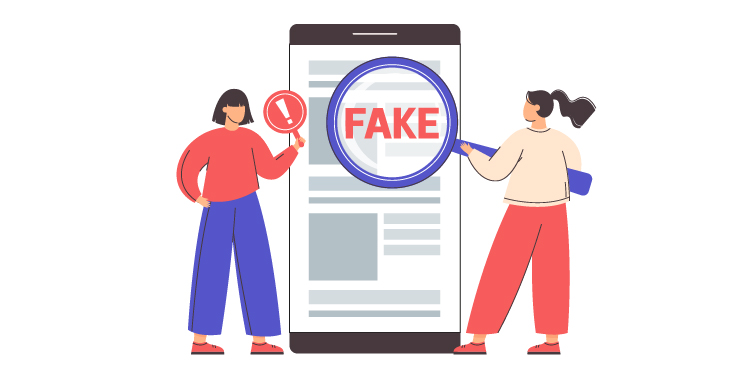
But of course, there are trade-offs. Without formal fact-checking or editorial oversight, misinformation and bias are much more likely to spread. That’s why it’s so important for both creators and viewers to be media literate.

If you’re interested in how this space is evolving, Columbia Journalism Review has a solid breakdown of the current state of citizen reporting.

Connecting the Dots

Putting all these pieces together, I walked away from these presentations realizing just how interconnected and powerful media really is. Whether it's a journalist choosing what story leads the news, a whistleblower risking everything to tell the truth, or a student uploading raw footage from a protest, someone is always shaping the narrative.

And that’s why it matters that we stay alert. We need to question what we’re shown, think critically about who benefits from the story, and understand the forces working behind the scenes. In today’s digital age, awareness is everything.


Blog Post #3: 8 Values of Free Expression


    Today in class, we learned about the eight values of free expression and discussed their significance. After reviewing each value, we partnered up to reflect on which ones resonated with us the most. 
    My partner and I found ourselves particularly drawn to the concept of Individual Self-Fulfillment, also known as self-actualization. This idea emphasizes the role of free speech in personal growth, allowing individuals to express themselves, shape their identities, and connect with like-minded people.
    Additionally, we examined the value of Participation in Self-Government, which highlights the importance of free speech in the democratic process. According to Alexander Meiklejohn, an informed electorate is essential for making wise decisions in elections. 
    Restricting the ability of candidates and policy advocates to communicate their positions can hinder public debate and prevent voters from fully understanding the choices available to them. This value underscores the necessity of open discussion to ensure a functioning democracy.
    Ultimately, our discussion reinforced how free speech is not just a legal right but a crucial aspect of both personal development and societal progress. While Participation in Self-Government ensures that citizens can engage in informed decision-making, Individual Self-Fulfillment allows people to express their identities and exercise their autonomy. 
    Both values contribute to the broader purpose of free expression, shaping not only our political landscape but also our personal experiences and interactions.


Blog Post #4: The Invention and Impact of the Printing Press

Johannes Gutenberg made the printing press in the middle of the 15th century. It is considered one of the most important events in history. Before it was made, books had to be carefully copied by hand, which took a lot of work and made books rare and expensive. Gutenberg, a German blacksmith and engineer, tried to get around this problem by making a machine that could copy texts. Not only did his idea change the way books were made, but it also had big effects on society as a whole. 


History: How the Printing Press Came to Be

Johannes was born in Mainz, Germany, around the year 1400. In his early years, he was interested in metalworking and making things by hand. These are skills that would later be very important to his new discovery. In the 1430s, Gutenberg started to play around with different printing methods in order to make a machine that could make books faster than hand-copying. ​

He made the first movable-type printing press around 1440. Individual metal letters that could be moved around to make words and lines were used in this machine. This made it possible to quickly put together pages. After the letters were put in order, they were drawn and pressed onto paper using a screw device that was taken from a wine press. This method cut the time and work needed to make books by a huge amount. ​

Gutenberg was mostly driven by both economic and intellectual needs. He knew that there was a greater need for books and that writing by hand had its limits. He wanted to make books easier to get and make as much money as possible by automating the process. The Gutenberg Bible, which he finished around 1455, was his first big job. This 42-line Bible was both a work of art and a demonstration of the printing press's power. It was praised for its skill and design. ​


The effect is changing society and communication.

The invention of the printing press changed many aspects of life in massive ways: ​

Getting Knowledge Out

Before the printing press, books were expensive and were mostly owned by faith groups and the rich. The cost of books dropped a lot when they were mass-produced, which made them available to more people. This sharing of information made it possible for more people to learn to read and write and for new ideas to spread.

The Renaissance and the Reformation


The Renaissance was an intellectual rebirth that was made possible by the fast spread of both old and new works. It would be easier for researchers to share their results, which would lead to progress in many areas. The printing press was also very important in the Protestant Reformation. Many copies of Martin Luther's 95 Theses were made and sent out to question the authority of the Catholic Church and push for religious changes.

Texts and Languages should be Standardized.

As more copies of books were made, texts became more uniform, which helped cut down on the mistakes that were common in handwritten writings. Standardization also helped common languages grow and stay stable by making texts more regular and easier for many people to read.

Progress in Education and Science

More efficient production and distribution of scientific works made it possible for new findings and ideas to spread quickly. Educational organizations gained from having more textbooks available, which led to a more informed and learned population.

The Bad Effects

The printing press caused many good changes, but it also caused some bad ones that weren't meant to happen: ​

The Spread of False Information


Because it was so easy to copy texts, fake or incorrect information could get around just as quickly as real information. These problems with checking the reliability of printed materials are still around today.

Putting down and Censoring

Because the government knew how powerful the written word could be, they tried to control and ban writings that they saw as heretical or subversive. This caused disagreements about the right to free speech and the management of information.


Blog Post #5: Privacy

Privacy Isn’t Optional Anymore

    Technology is amazing in a lot of ways: we can talk to anyone instantly, share photos with people across the world, and stay updated on everything from celebrity gossip to major world events. But the more I learn about privacy in the digital world, the more I realize how much control we’ve actually lost. What we post, what we search, what we say near our devices is all being recorded, tracked, stored, and sometimes even sold.

How do these issues affect you? Your friends and family?

    This definitely hits close to home. I’ve had conversations with friends about something totally random, like planning a trip or looking at new sneakers, and then within hours, I see ads for that exact thing on my phone. Coincidence? Not really. It's a reminder that we’re basically living under a digital microscope.

    What’s scarier is how much of this we let happen without even realizing it. Our parents, siblings, and friends are all just as exposed. Between Alexa, Siri, Google, and even apps that seem harmless, our personal data is constantly being collected and shared. One quick scroll through Instagram, one click on a TikTok ad, and you’ve added to your “digital tattoo,” as Juan Enriquez explains in his TED Talk. That digital tattoo can follow us forever; it’s how colleges, jobs, even strangers might judge us.


What should the government be doing about these issues?

    There’s got to be more accountability. Tech giants like Meta (Facebook), Google, and Amazon make billions off our data, and right now, the laws just haven’t caught up. The government needs to step in with stronger regulations that protect people, not just companies. Things like the GDPR in Europe are a great start, but the U.S. needs its own version. We need clear, enforceable rules that limit how much data companies can collect and who they can share it with.

    Also, we need transparency. Companies should be forced to tell us exactly what they’re collecting and how it’s being used — in plain English, not buried in a 20-page privacy policy no one reads.

What can we do to protect ourselves from invasions of our privacy?

We can’t control everything, but we can definitely make smarter choices. That means:

  • Make all your social media accounts private

  • Turn off microphone access for apps you don’t trust

  • Use tools like two-factor authentication (seriously, this one’s a game-changer)

  • Browse in incognito mode and use privacy-focused browsers like DuckDuckGo

  • Say “no” to cookies when you visit websites — unless you really need them

    If you're looking for extra protection, there are tools like ProtonMail for secure emails and Signal for encrypted messaging. It’s not about hiding anything shady, it’s about having control over your own life.

    We’re living in a world where privacy isn’t just a personal issue anymore, it’s political, emotional, and even dangerous. The more we let things slide, the more we risk our freedom, identity, and peace of mind. Now is the time to push back.

Blog Post #7: Dissent and the First Amendment

Dissent and the First Amendment

From the start of U.S. history, dissent has always been part of the American story — especially when it comes to war. But what we saw during the Progressive Era and WWI was a different level of crackdown. Antiwar voices weren’t just silenced — they were thrown in jail. The First Amendment was put to the test, and for a while, it failed. Eugene Debs was one of the most well-known examples of someone imprisoned for simply speaking out.

Watching the videos this week, especially the one on the Marketplace of Ideas, made me realize how the government has always had a hard time dealing with antiwar speech, especially during times of conflict. It’s crazy that speaking your mind about war could once get you locked up. Today, you won’t necessarily go to prison — but strong antiwar opinions rarely show up in the news or popular conversation.


Where Are the Antiwar Voices Now?

I explored both Antiwar.com and The American Conservative — and honestly, I was surprised by how much solid commentary is being written that no one seems to talk about. These sites are full of thoughtful criticism of U.S. foreign policy, military spending, and overseas interventions. Articles like “The Forever War Is Still Raging” break down how U.S. involvement in places like Syria, Iraq, and Ukraine continues — with very little debate.

It feels like if you're not cheering for the military or pushing for more defense funding, your opinion doesn’t get airtime. Both parties in Congress consistently vote to increase military budgets, and cable news channels like CNN and Fox News rarely question it. This kind of media bias pushes antiwar views out of sight — even though they reflect how many Americans feel.


Why Do We Have to Dig So Deep?

I think the reason these antiwar views are hidden is because they challenge the dominant narrative that U.S. military power is always necessary or beneficial. If people really knew how much the U.S. spends on war, or the human cost it causes, they might ask tougher questions. But instead, voices like those on Antiwar.com and The American Conservative are pushed to the fringe. The “marketplace of ideas,” as mentioned in the Holmes video, is supposed to give every idea a fair shot — but it’s not a level playing field.

Right now, ideas that go against the military-industrial complex don’t get the same platform as those that support it. That’s not just a media problem — it’s a democracy problem.

Why It Matters


Antiwar movements matter. They remind people that war always has consequences — especially for the innocent. They speak out when others stay silent. Whether it's Vietnam, Iraq, or Gaza, antiwar voices have always been the ones asking the tough questions, even when it's unpopular. These movements raise awareness, push for policy changes, and sometimes even shift public opinion.

We should be protecting these voices — not ignoring them. That’s what the First Amendment is really for.

Blog Post: Age of AI

Why We Should Be Paying Closer Attention to Our Privacy

Artificial intelligence used to feel like a futuristic concept, something only tech companies and sci-fi movies talked about. Now, it’s in our everyday lives: your phone’s voice assistant, the TikTok algorithm, Netflix recommendations, customer service bots, even the cameras tracking your license plate. Whether we realize it or not, AI is running behind the scenes almost everywhere.

And while the technology is impressive and offers a ton of benefits, there’s one thing that’s becoming hard to ignore: our privacy is slowly disappearing, and AI might be speeding that process up.


More Data, Less Privacy

At the core of AI is one thing: data — and a lot of it. AI systems learn by analyzing patterns in massive amounts of information, from what we search on Google to how long we pause while watching a video. Companies collect this data to improve products, predict behavior, and sell ads. Governments use it for national security, traffic control, and even public health.

But here's the issue: most of us have no idea how much of our data is being collected, how it’s being used, or who it's being shared with. That’s what makes this so dangerous. AI isn’t just helping us — it's observing us, learning from us, and sometimes even making decisions about us.

Take this report from the World Economic Forum, it explains how AI is changing the landscape of personal data and what’s at stake if we don’t create guardrails.


Surveillance Isn’t Just a Foreign Problem

A lot of people think government overreach with AI only happens in countries like China, where they’ve implemented mass facial recognition, social credit scores, and intense tracking of certain ethnic groups. And while that level of control is extreme, the U.S. isn’t completely innocent either.

In America, AI is already being used in tools like predictive policing, license plate readers, and smart surveillance cameras. These systems are supposed to make communities safer, but they also raise serious questions. What if they misidentify someone? What if they’re biased against certain races or neighborhoods? What happens when your digital footprint becomes a reason you’re flagged as a “risk”?

According to Brookings, predictive policing has been shown to reinforce existing inequalities rather than reduce crime, especially in underserved communities.


Who’s Holding AI Accountable?

That’s the scary part, no one really is. Right now, AI development is moving way faster than government regulations can keep up. Most countries, including the U.S., don’t have strict rules for how AI systems collect, use, or store our data. Big tech companies are essentially policing themselves, which is like letting players referee their own games.

Some steps are being taken. In 2023, the EU passed the AI Act, one of the first laws to regulate how AI can be used in things like law enforcement, health care, and advertising. The U.S. is still catching up though organizations like the Center for AI and Digital Policy are trying to push for similar action here.

So, What Can We Do?

AI isn’t evil. It’s a tool, and like any tool, it depends on how we use it. AI can help us detect diseases early, reduce traffic, translate languages, and even fight climate change. But if we’re not careful, it could also turn into the most powerful surveillance system in history.

Here’s what we can do now:

  • Stay informed: Understand how the tech works and what it’s doing behind the scenes.

  • Check your data settings: Most apps and platforms let you limit what they collect, it’s worth looking into.

  • Push for transparency: Support policies that require companies to explain how their AI works and what data it's using.

  • Speak up: If something feels invasive or wrong, talk about it whether it's on social media, in class, or in conversations with friends.


My Final Thoughts

We are without a doubt living through one of the biggest technological shifts in human history. AI is going to reshape every part of our world; from how we work and learn to how we’re governed and protected. That’s exciting, but it’s also a little scary. We can’t afford to be passive. If we want a future where tech empowers us without violating our rights, we have to pay attention now.

Blog Post #8: Diffusion of Innovations and TikTok

Diffusion of Innovations and TikTok

Diffusion of Innovations is a theory by Everett Rogers that helps explain how and why new ideas and technologies spread through society. It focuses on how people adopt innovations over time, from early adopters to laggards, and the communication channels that help them spread. Understanding this theory makes it easier to see why some technologies take off quickly, while others fade out or struggle to gain trust.


A perfect example of a modern innovation that exploded through this process is TikTok. Launched internationally in 2018 (after merging with the app Musical.ly), TikTok became one of the fastest-growing social media platforms in the world. Its success came from a combination of short, engaging videos, a powerful algorithm, and the ability to go viral overnight. Early adopters were mostly teens and Gen Z content creators who used it for lip-syncing and comedy, but it quickly expanded to include people of all ages, celebrities, brands, and even politicians.

While millions jumped on TikTok right away, there are still late adopters or people who don’t use it at all. Some worry about the platform’s data privacy issues, especially after concerns were raised about TikTok's ties to China’s government. Others avoid the app because of how addictive it can be, or simply because they don’t find short videos appealing. Older generations might feel disconnected from the format, or just prefer other platforms like Facebook or Instagram.


There are definitely downsides to TikTok. Studies show that the app’s algorithm can fuel negative mental health effects, especially among younger users. It can encourage comparison, promote unrealistic beauty standards, and lead to hours of screen time. On top of that, misinformation can spread quickly through viral content without much fact-checking.

Still, TikTok has positives that attract users. It gives anyone a platform to share creativity, launch careers, or educate others. Many small businesses and artists have used TikTok to grow massively, and the algorithm helps level the playing field so even someone with zero followers can go viral. In terms of cost-benefit, the entertainment, opportunity, and reach TikTok offers outweigh the negatives for a lot of people, especially when used mindfully and with limits.